
Classic Film: The Fifth Element
The Fifth Element, directed by Luc Besson and released in 1997, is a visually stunning and exhilarating sci-fi action film that has become a cult classic. The film tells the story of Korben Dallas (Bruce Willis), a retired special forces agent who becomes embroiled in a quest to save the world from an evil entity known as the Great Evil that threatens to destroy all life in the universe.
The Fifth Element, directed by Luc Besson and released in 1997, is a visually stunning and exhilarating sci-fi action film that has become a cult classic. The film tells the story of Korben Dallas (Bruce Willis), a retired special forces agent who becomes embroiled in a quest to save the world from an evil entity known as the Great Evil that threatens to destroy all life in the universe.
The film's visuals are a highlight, with Besson's direction creating a vivid and imaginative world that is both futuristic and retro. The film's use of color and lighting is also noteworthy, with each scene feeling like a work of art in its own right.
The performances in The Fifth Element are equally impressive, with Bruce Willis delivering a standout performance as Korben Dallas, bringing a sense of humor and intensity to his role that makes him a compelling and relatable hero. Milla Jovovich is also excellent as Leeloo, a mysterious and powerful being who is instrumental in the fight against the Great Evil. The supporting cast, including Gary Oldman and Ian Holm, are also noteworthy, with each delivering memorable performances in their respective roles.
What sets The Fifth Element apart from other sci-fi movies is its unique blend of genres and its exploration of themes such as love, sacrifice, and the nature of humanity. The film's use of humor and satire adds a layer of depth to the story, making it more than just a simple action movie.
Overall, The Fifth Element is a visually stunning and exhilarating film that showcases the talents of its cast and crew. It's a movie that will appeal to fans of sci-fi, action movies, and anyone who appreciates dynamic and engaging storytelling. The film was written by Luc Besson and Robert Mark Kamen, and was originally released on May 7, 1997.
TMC SHOP




A Guide to Social Media Marketing for Independent Film, TV, and Music Producers
Social media has become an integral part of our daily lives, and it plays a significant role in the entertainment industry. For independent film, television, and music producers, social media platforms offer a cost-effective way to promote their work, connect with audiences, and build a loyal fanbase. In this guide, we'll discuss some essential tips and strategies for successfully marketing your indie projects on social media.
Introduction
Social media has become an integral part of our daily lives, and it plays a significant role in the entertainment industry. For independent film, television, and music producers, social media platforms offer a cost-effective way to promote their work, connect with audiences, and build a loyal fanbase. In this guide, we'll discuss some essential tips and strategies for successfully marketing your indie projects on social media.
1. Choose the right platforms
There are numerous social media platforms available, each with its own user demographics and content preferences. To effectively market your indie project, it's essential to focus on platforms that best suit your target audience and content format. Facebook, Instagram, Twitter, and LinkedIn are some of the most popular platforms, but you should also consider niche networks like Reddit, TikTok, or SoundCloud, depending on your project.
2. Create a consistent and engaging online presence
Your social media profiles are an extension of your brand, so it's essential to maintain a consistent and professional image across all platforms. Use high-quality images, compelling bios, and uniform branding to create a cohesive online presence. Additionally, make sure to engage with your followers regularly by responding to comments, sharing behind-the-scenes content, and posting updates about your projects.
3. Develop a content strategy
A well-planned content strategy is crucial for successful social media marketing. Determine the type of content that resonates with your target audience and plan a consistent posting schedule. This might include teasers, trailers, behind-the-scenes footage, interviews, fan art, or even memes related to your project. Remember, it's essential to strike a balance between promotional content and posts that offer value and entertainment to your followers.
4. Utilize hashtags and keywords
Hashtags and keywords are an effective way to increase the visibility of your posts and reach a larger audience. Research popular and relevant hashtags in your niche, and incorporate them into your posts. Be sure to avoid using too many hashtags, as this can appear spammy and reduce engagement.
5. Collaborate with influencers and creators
Influencer marketing can help you tap into new audiences and gain credibility for your project. Identify influencers and creators in your niche who share a similar target audience and collaborate with them to promote your project. This can include shoutouts, guest appearances, or even co-creating content.
6. Track your analytics and adjust your strategy
Monitoring your social media performance is crucial for understanding what works and what doesn't. Regularly review your analytics to identify trends, popular content, and areas for improvement. Use this data to adjust your strategy and optimize your social media marketing efforts.
7. Encourage user-generated content
User-generated content (UGC) is a powerful way to boost engagement and create a sense of community around your project. Encourage your fans to create and share content related to your film, TV show, or music, such as fan art, covers, or reaction videos. Be sure to acknowledge and share their creations on your social media channels.
Conclusion
Social media marketing is an invaluable tool for independent film, television, and music producers. By choosing the right platforms, creating engaging content, and actively interacting with your audience, you can build a loyal fanbase and increase the visibility of your project. Stay adaptable and continuously refine your social media marketing strategy to maximize your success in the ever-evolving world of digital promotion.



Live: from Inside the Machine...
The future has arrived. "They've" been preparing us for it for most of our lives, but now the time is upon us. Artificial Intelligence is now available to the general public in a usable way. OpenAI has shared its AI technology, Chatgpt, and it is impressive. And it's only the beginning!
The future has arrived. "They've" been preparing us for it for most of our lives, but now the time is upon us. Artificial Intelligence is now available to the general public in a usable way. OpenAI has shared its AI technology, Chatgpt, and it is impressive. And it's only the beginning!
Everyone seems to have an opinion about AI, and the usual suspects of fearmongers and conspiracy theorists jumped out early on this topic. But, honestly, they're not entirely wrong. It's wise to be cautious about tech and how fast things are moving in our society. Imagining how someone in power might abuse this tool would be easy. However, focusing on that would block the good that everyday people would benefit from.
Chatgpt and other similar AI tools are poised to make the same kind of impact that the personal computer or the world wide web made in recent history but in record time. The times change, but the mission remains the same. We can dream about a brighter future, but someone has to do the work. AI may be able to help us figure that out.
J.O.
The Collaborators




What's on your radar?
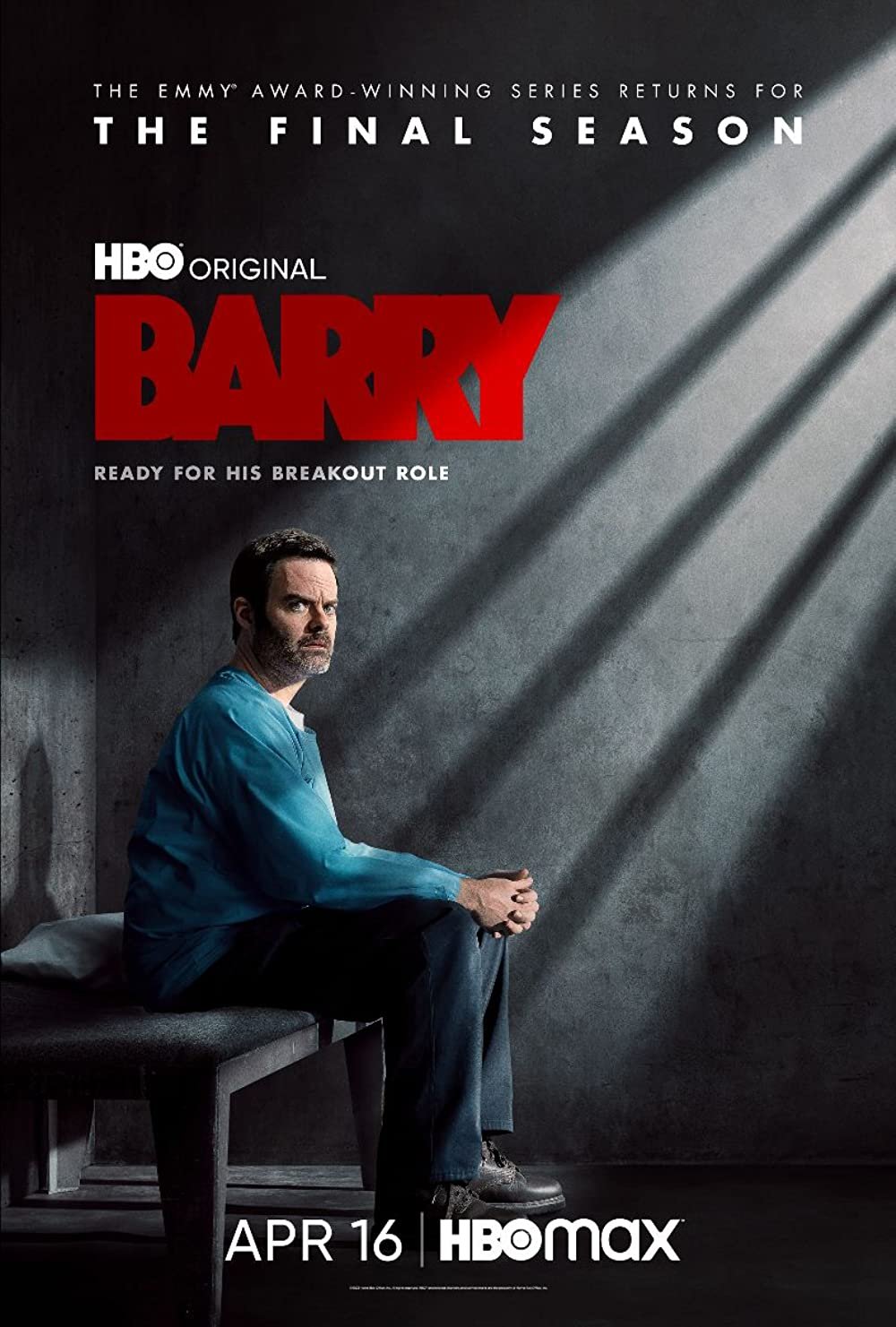
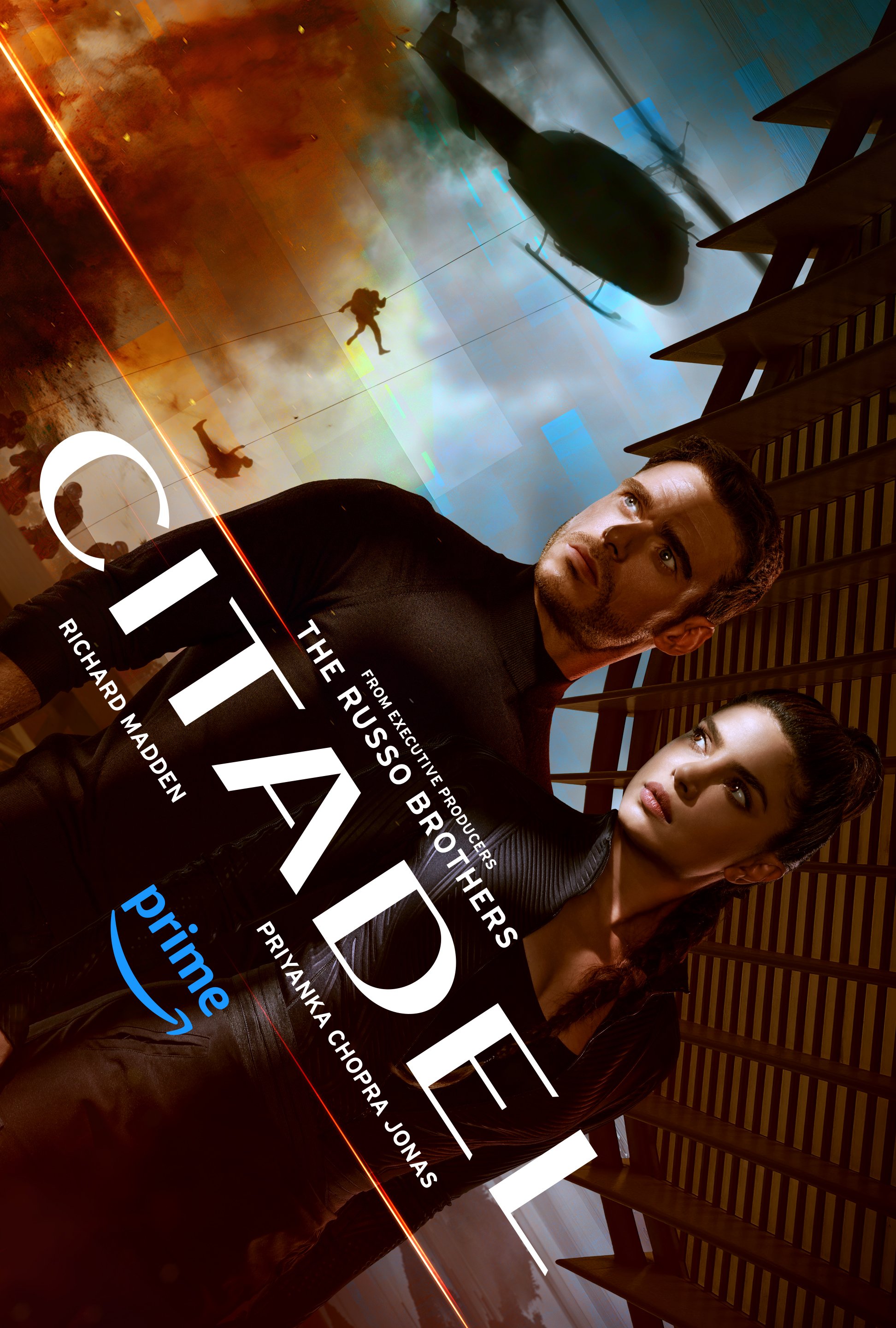
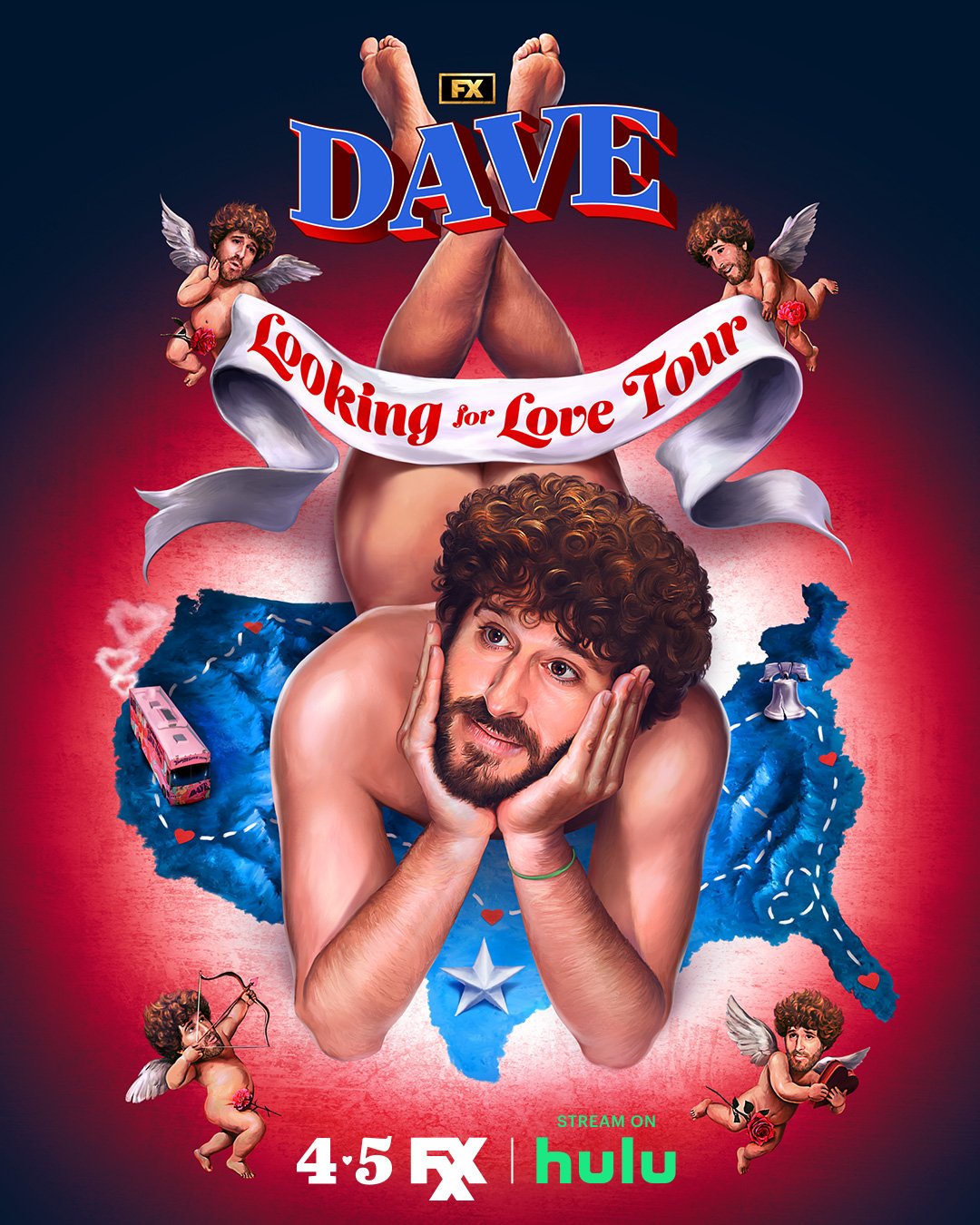
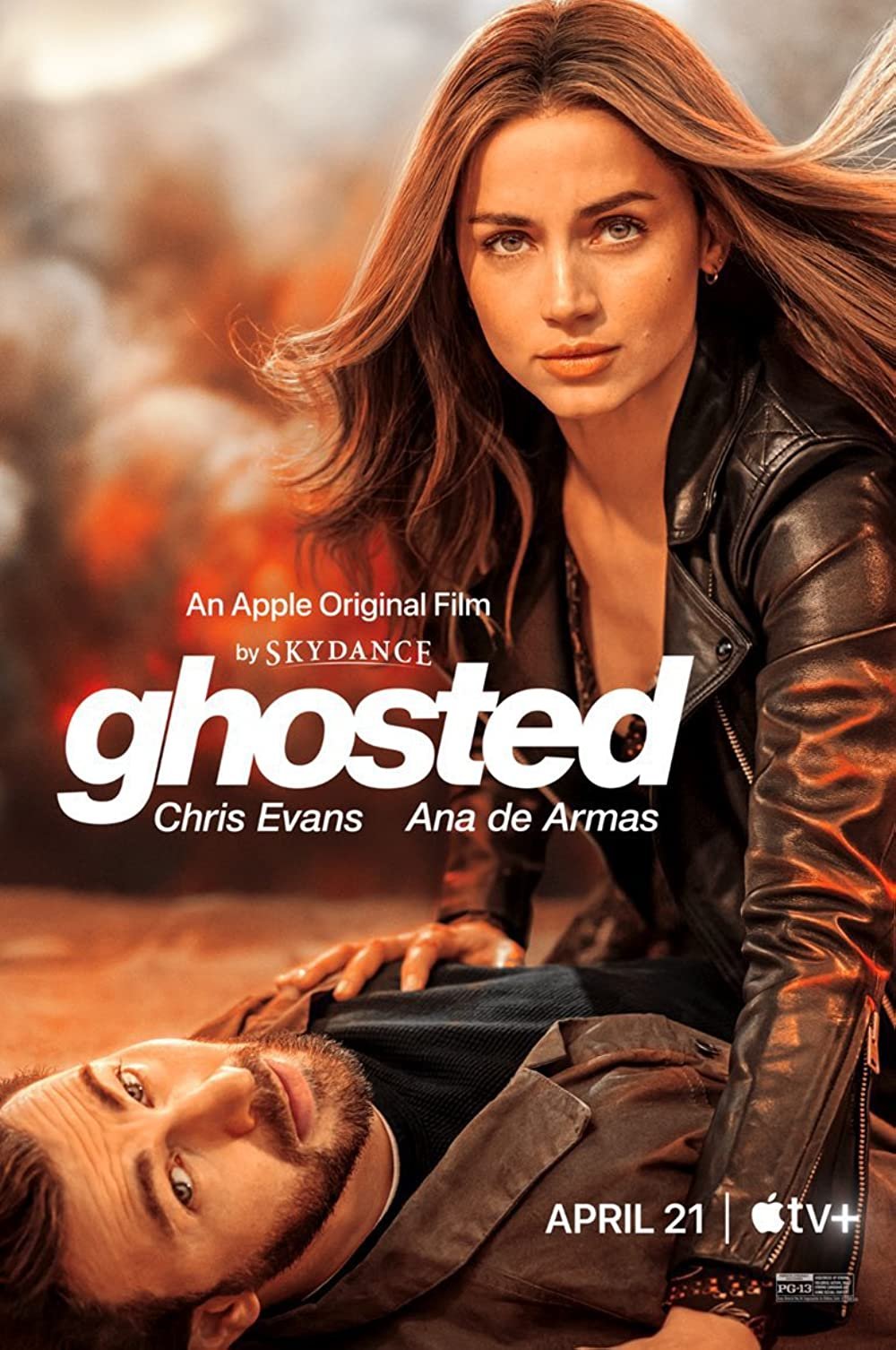
These are the joints that have our attention this month.
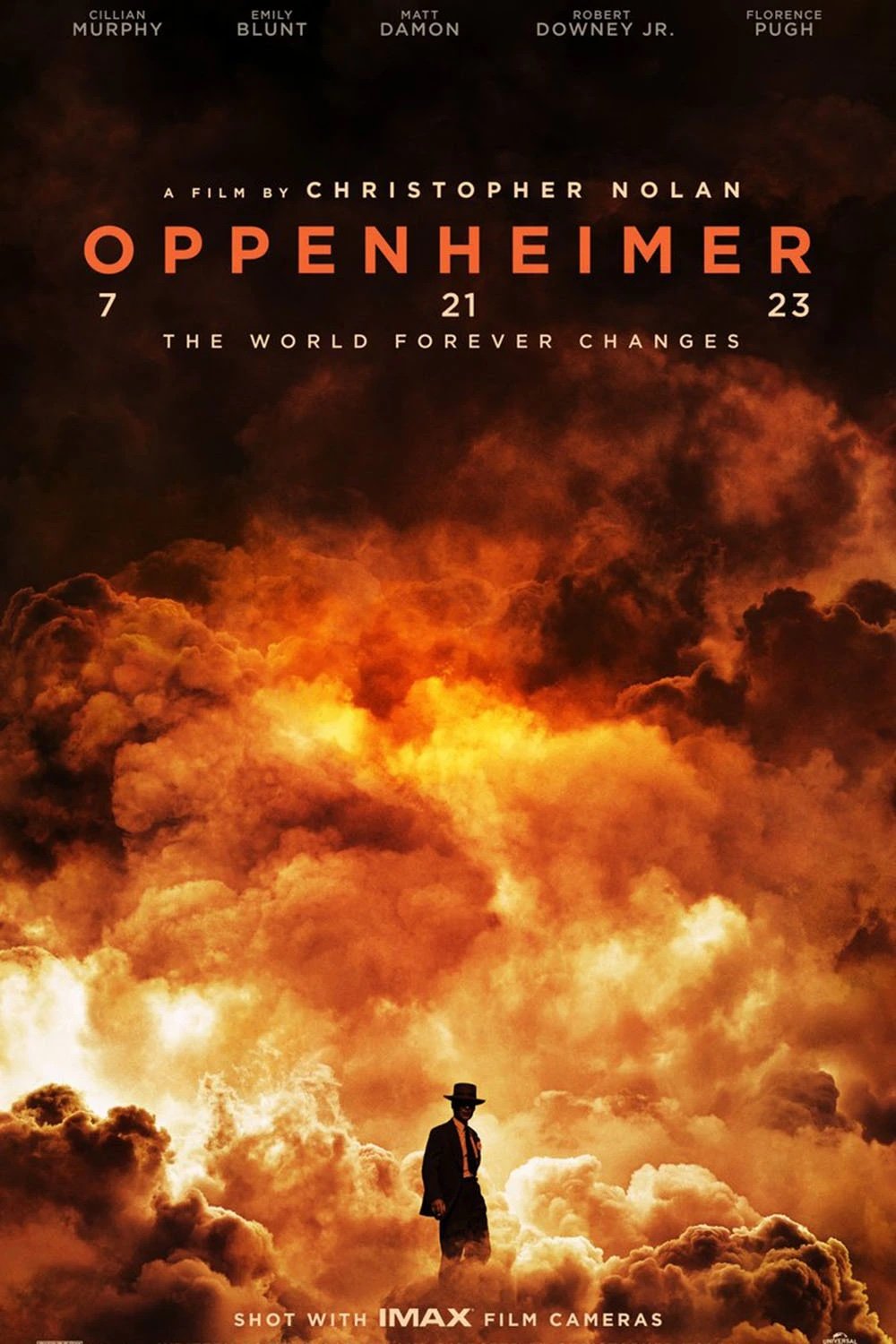
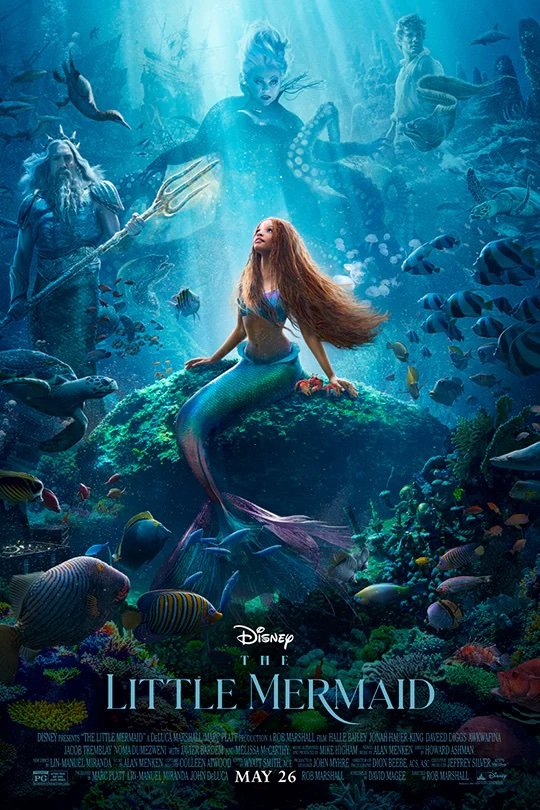
Just Like Movies

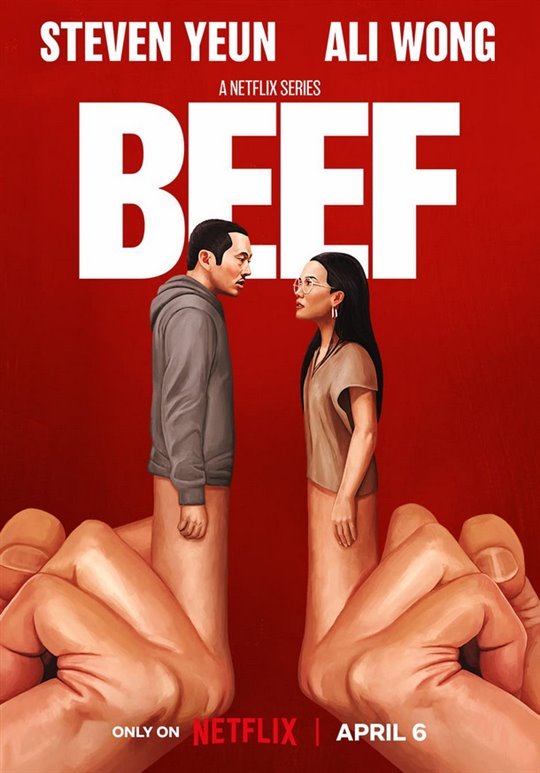
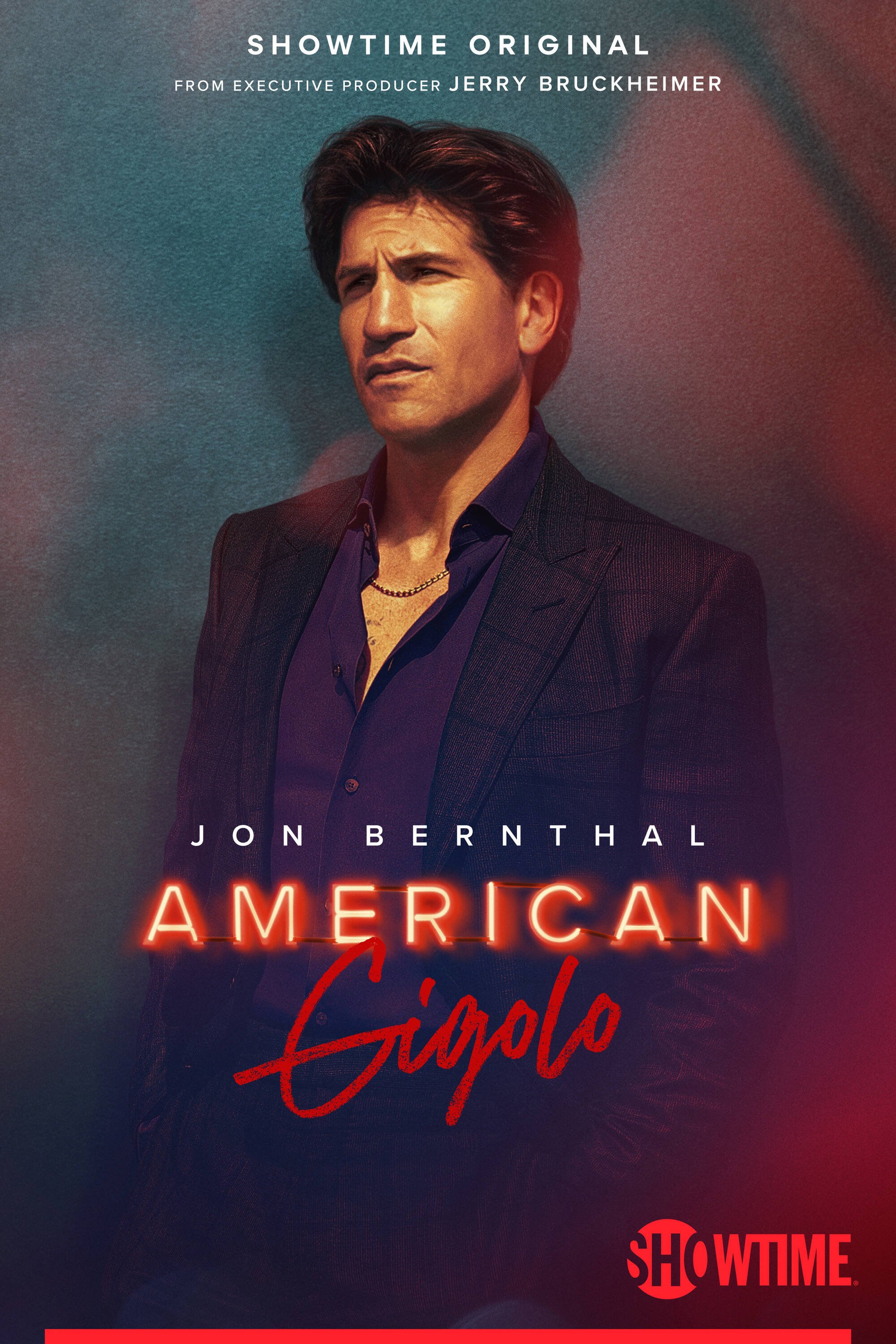
Just Like Tv
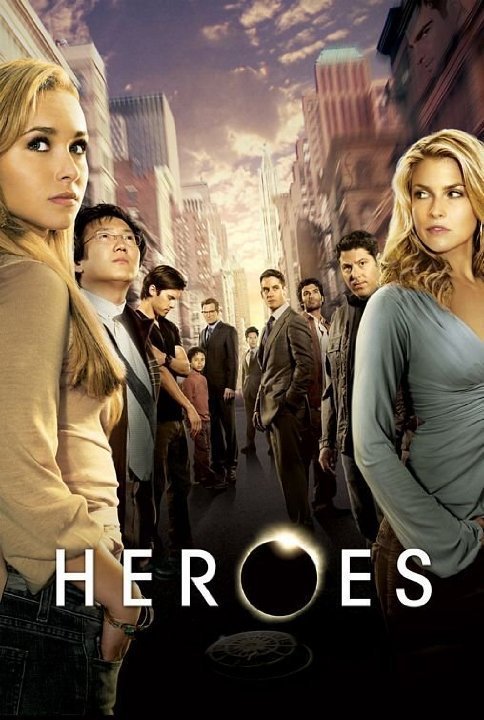
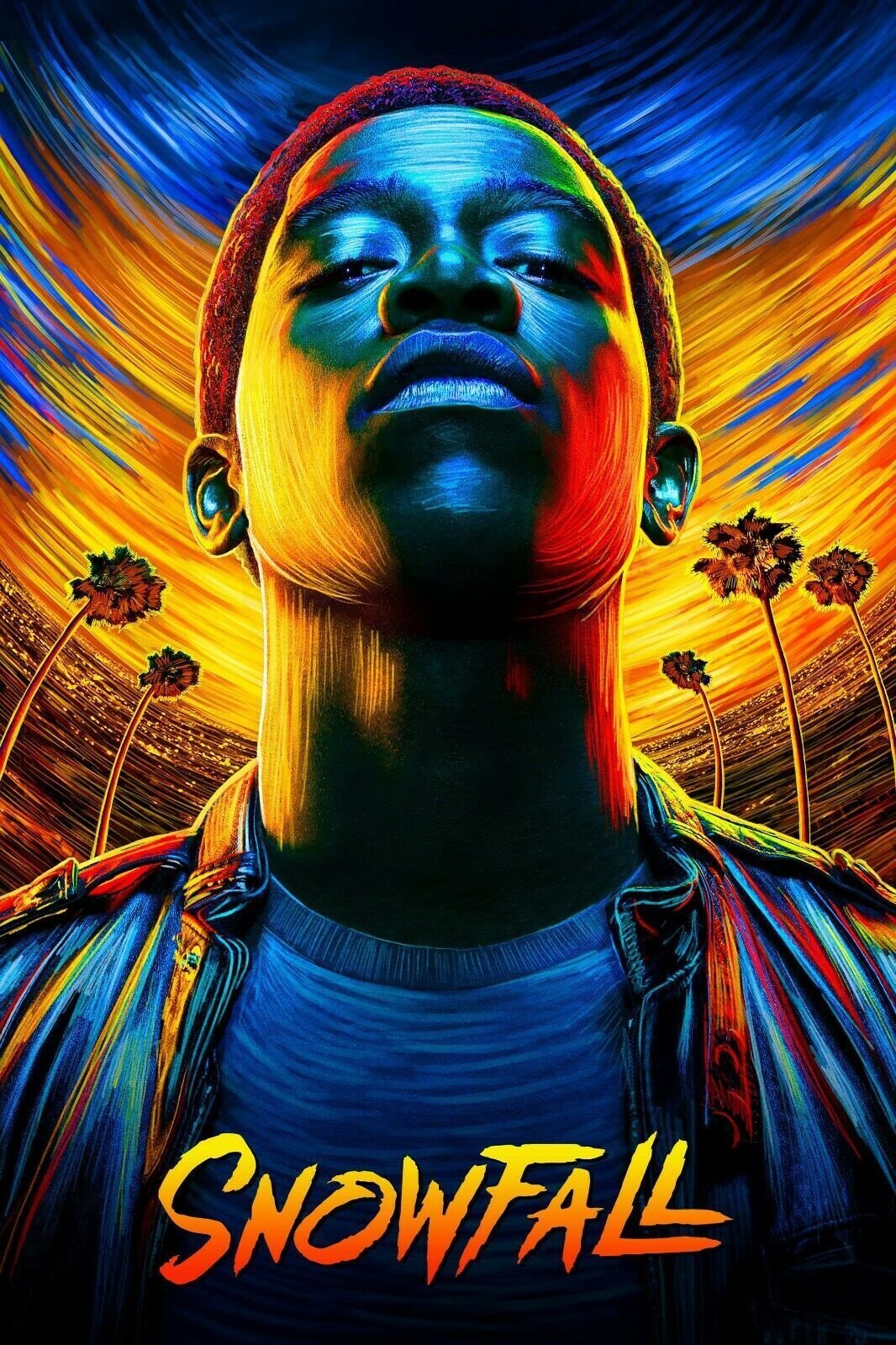
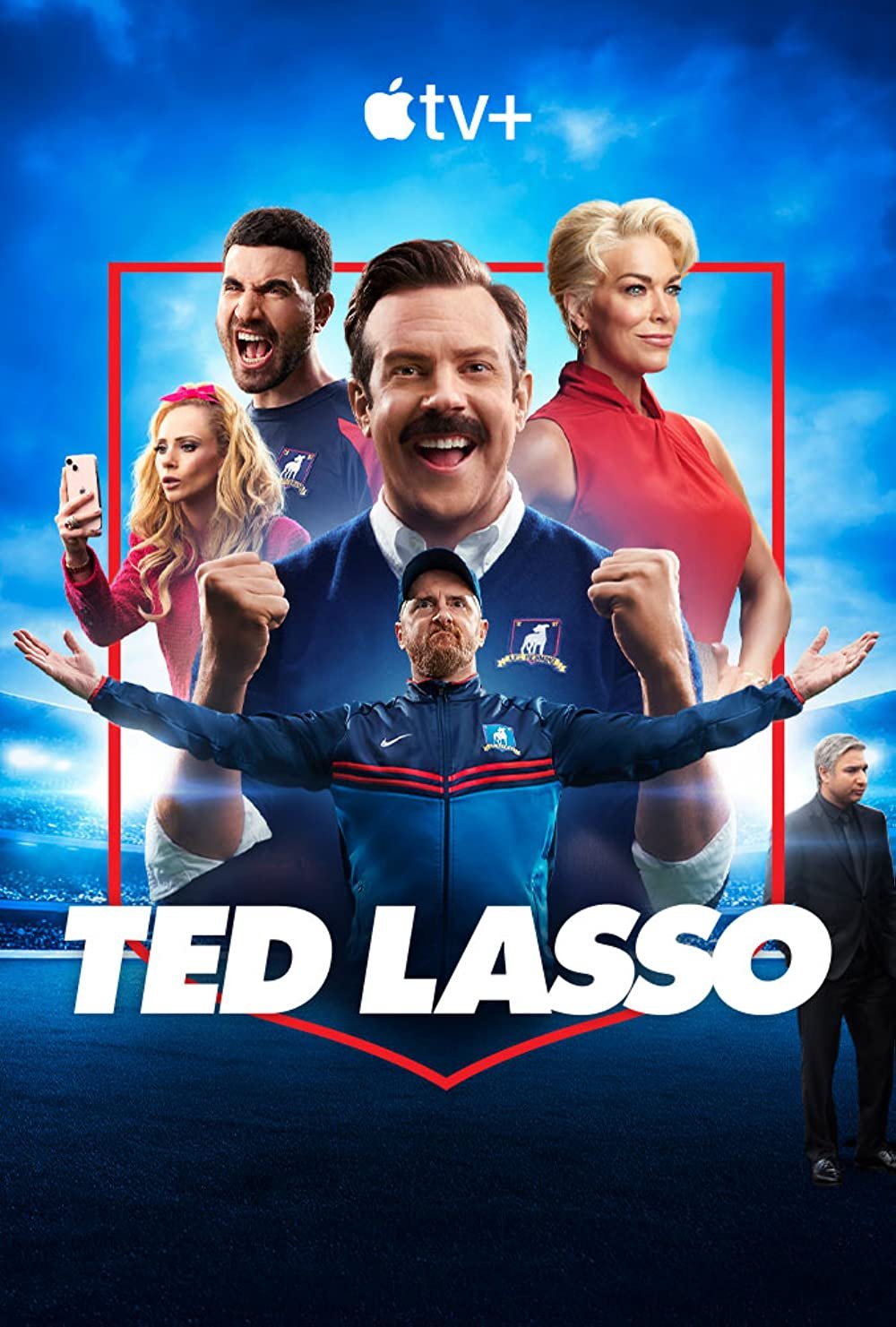
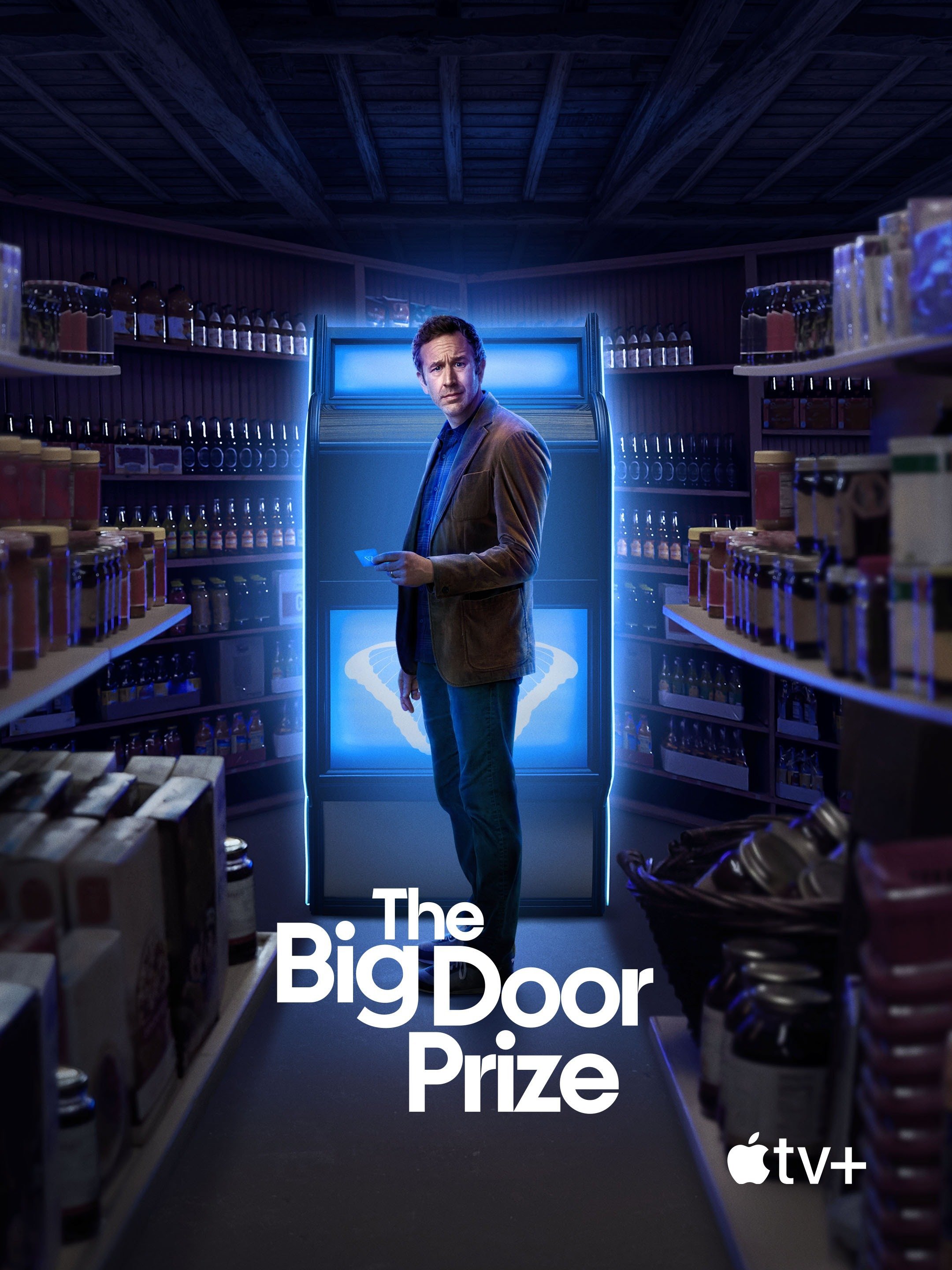
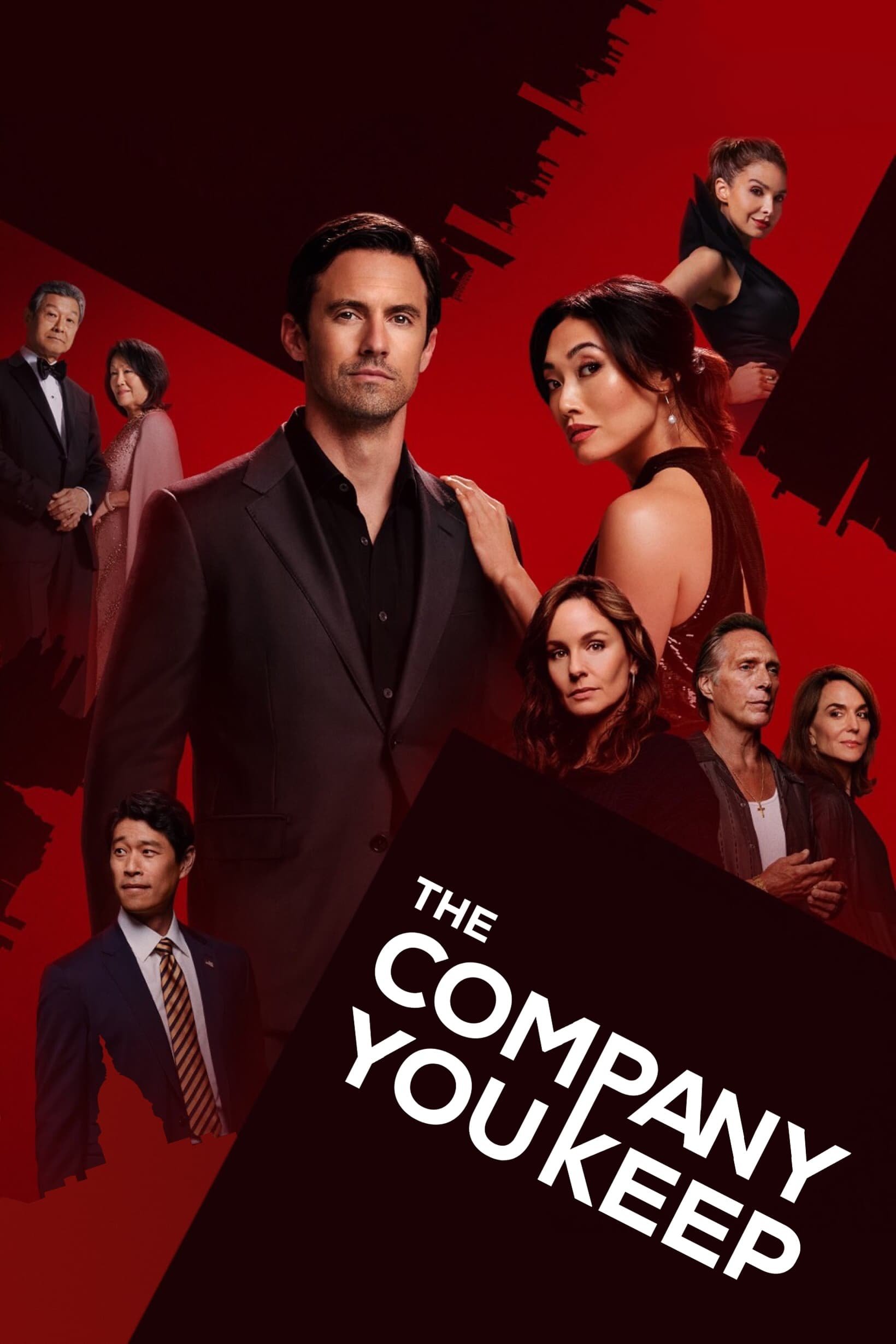
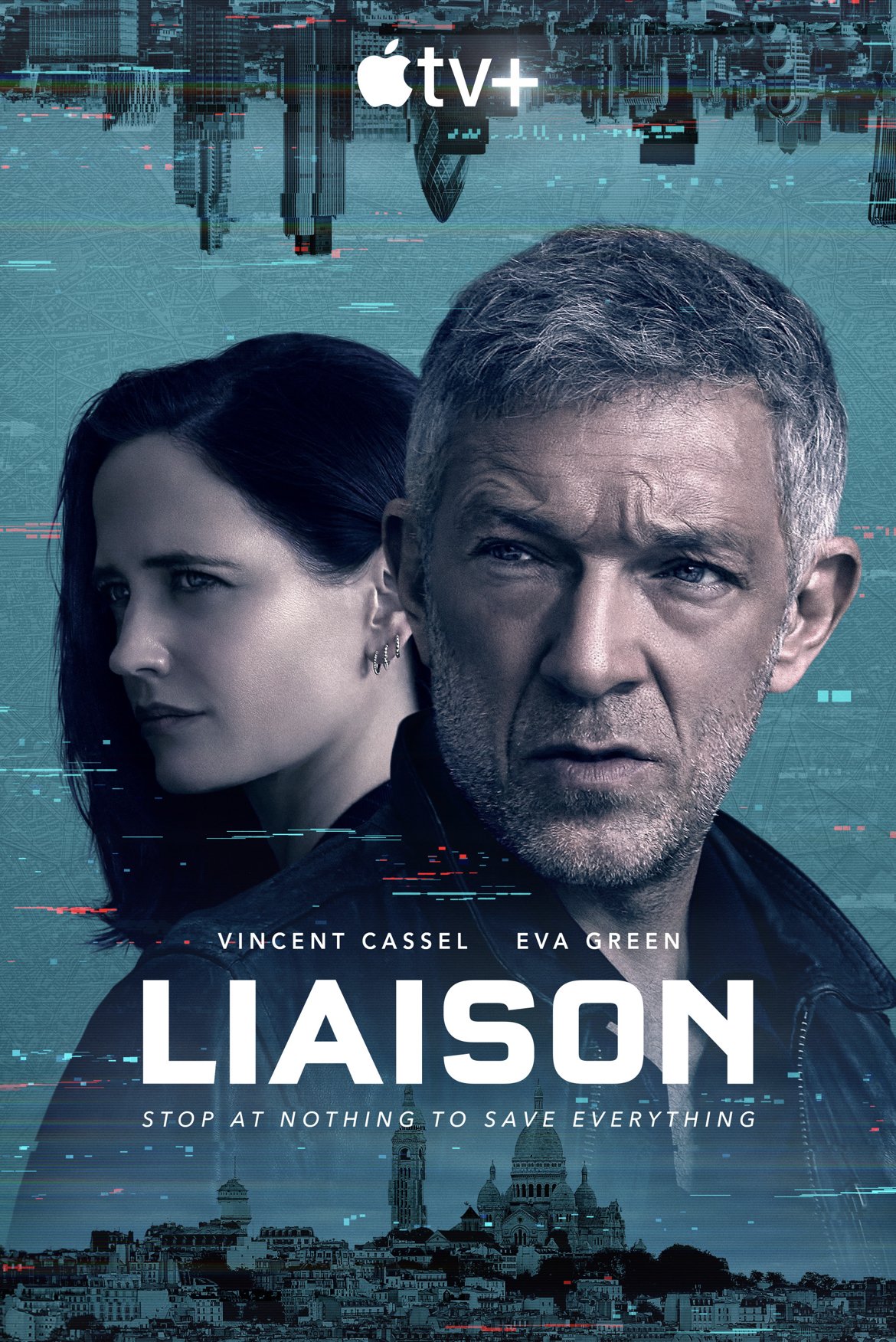
Just Like Music
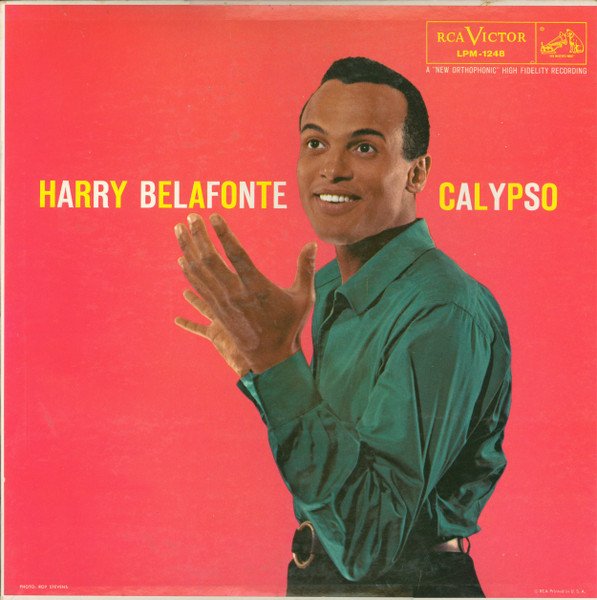


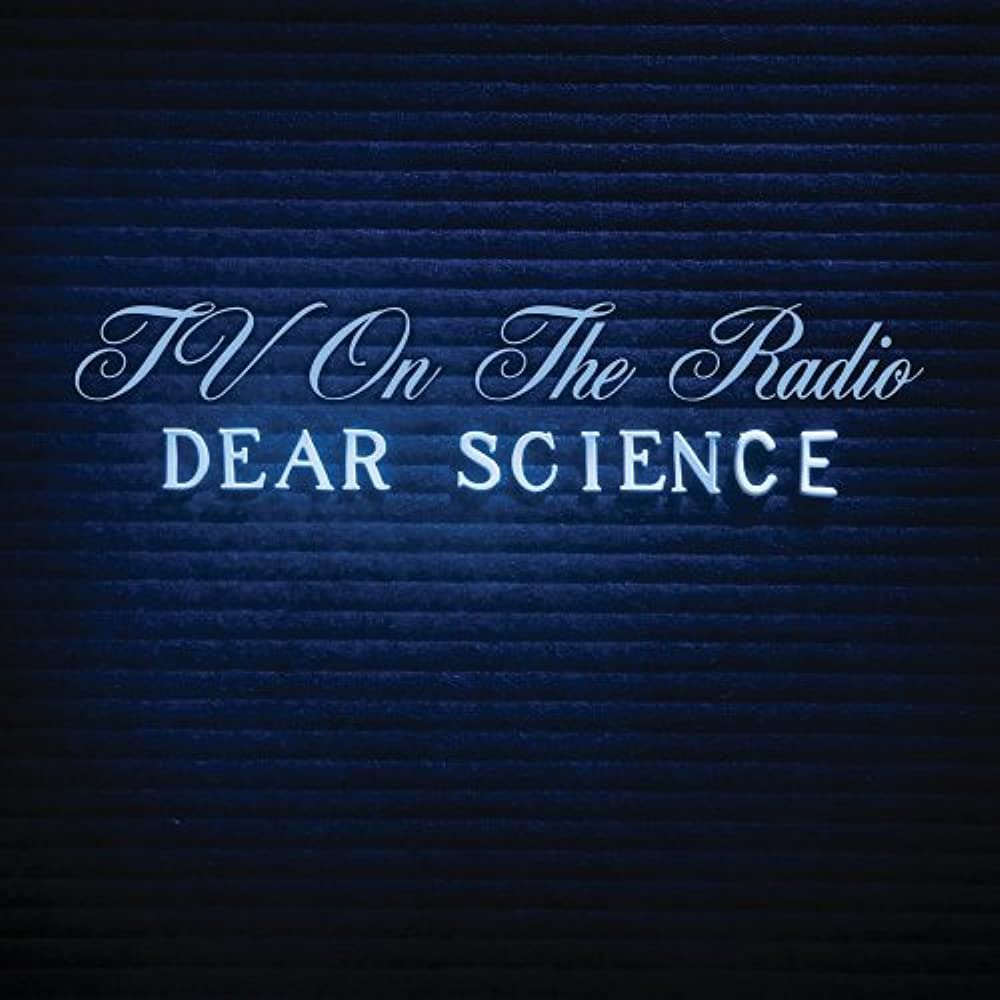
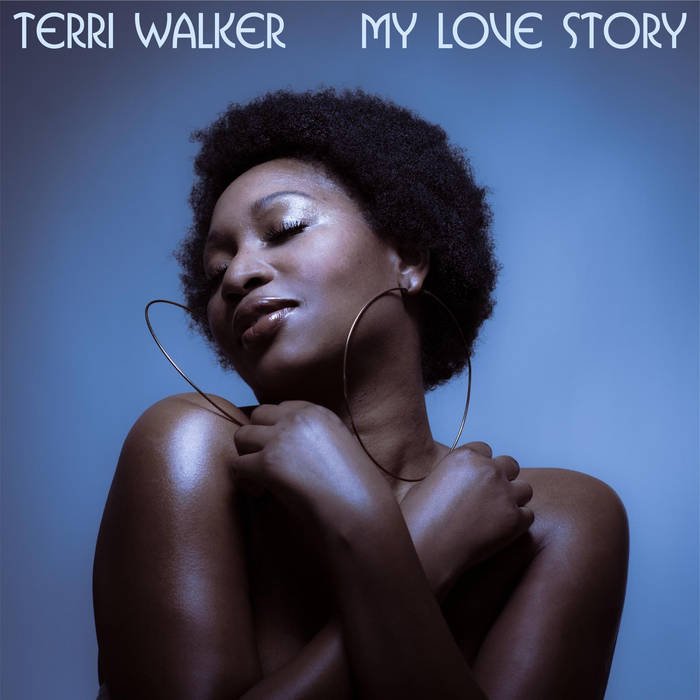

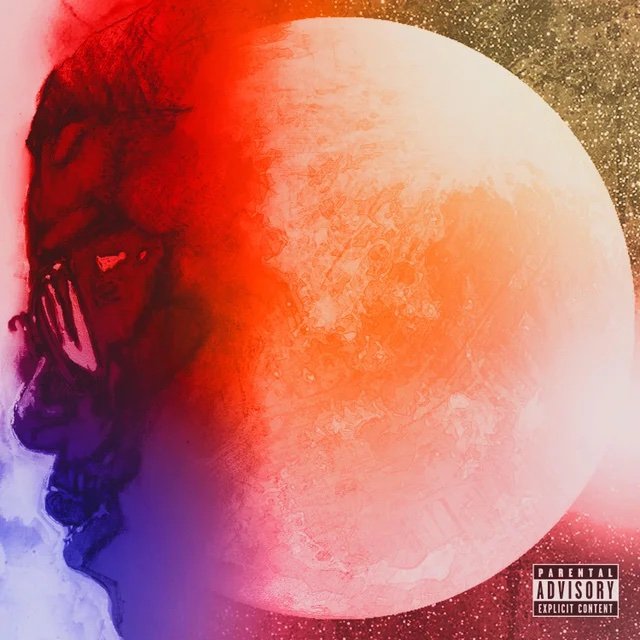

Did we miss anything? Put us on to something that we need to check out: mcnxtv@mrjoliphant.com!
The Minority Connection
〰️
The Minority Connection 〰️

The Rise of Independent Streaming Platforms: Opportunities for Indie Filmmakers and Producers
The digital revolution has opened up new avenues for content consumption, and streaming platforms have emerged as a dominant force in the entertainment industry. While major players like Netflix, Amazon Prime, and Hulu often steal the spotlight, there has been a significant rise in independent streaming platforms catering to niche audiences and diverse content. This surge in independent platforms presents unique opportunities for indie filmmakers and producers to showcase their work and reach a wider audience. In this blog post, we will discuss the rise of independent streaming platforms and the potential benefits they offer to indie creators.
Introduction
The digital revolution has opened up new avenues for content consumption, and streaming platforms have emerged as a dominant force in the entertainment industry. While major players like Netflix, Amazon Prime, and Hulu often steal the spotlight, there has been a significant rise in independent streaming platforms catering to niche audiences and diverse content. This surge in independent platforms presents unique opportunities for indie filmmakers and producers to showcase their work and reach a wider audience. In this blog post, we will discuss the rise of independent streaming platforms and the potential benefits they offer to indie creators.
1. Targeted exposure and niche markets
One of the most significant advantages of independent streaming platforms is their focus on niche markets and specialized content. These platforms cater to specific genres, interests, or demographics, allowing indie filmmakers and producers to target their ideal audience more effectively. By showcasing their work on a platform tailored to their content, creators can increase their chances of reaching viewers who are genuinely interested in their films, shows, or series.
2. Greater creative control and freedom
Traditional distribution channels often come with constraints and compromises in terms of creative control. Independent streaming platforms, on the other hand, typically offer more flexibility and freedom for filmmakers and producers. These platforms are often more open to experimenting with different formats, styles, and subject matters, allowing creators to retain their artistic vision and produce content that is true to their intentions.
3. New revenue streams and financial opportunities
Independent streaming platforms can also provide filmmakers and producers with new ways to monetize their content. These platforms usually operate on subscription-based, pay-per-view, or ad-supported models, providing creators with various revenue streams. By partnering with these platforms, indie filmmakers can generate income from their work and potentially fund future projects.
4. Increased visibility and discoverability
As independent streaming platforms grow in popularity, they can provide increased visibility and discoverability for indie filmmakers and producers. These platforms often promote and curate content from up-and-coming creators, helping them gain exposure and recognition within their target audience. Furthermore, many independent streaming platforms actively participate in film festivals and industry events, which can lead to additional opportunities for networking and collaboration.
5. Building a dedicated fanbase
Independent streaming platforms can help indie filmmakers and producers build a dedicated fanbase by providing a space where viewers can discover and engage with their content. By offering exclusive or early access to content on these platforms, creators can incentivize viewers to subscribe or sign up, resulting in a loyal and engaged audience. This fanbase can be leveraged for future projects and crowdfunding campaigns, helping to ensure the continued success and growth of indie creators.
Conclusion
The rise of independent streaming platforms presents an exciting opportunity for indie filmmakers and producers to showcase their work, reach niche audiences, and monetize their content. By taking advantage of these platforms, creators can maintain greater control over their artistic vision, generate revenue, and build a loyal fanbase. As the entertainment landscape continues to evolve, independent streaming platforms are poised to play an increasingly significant role in supporting and promoting indie content.

Classic Film: Seven Samurai
Seven Samurai, directed by Akira Kurosawa and released in 1954, is a timeless classic that has had a profound influence on the art of filmmaking. The film follows the story of a group of samurai who are hired to protect a farming village from marauding bandits.
Seven Samurai, directed by Akira Kurosawa and released in 1954, is a timeless classic that has had a profound influence on the art of filmmaking. The film follows the story of a group of samurai who are hired to protect a farming village from marauding bandits.
The film's direction is masterful, with Kurosawa's use of deep focus and long shots creating a sense of epic scope and scale. The film's action sequences are also impressive, with intricate choreography and keen attention to detail making the battles feel visceral and intense.
The performances in Seven Samurai are equally noteworthy, with Toshiro Mifune delivering a standout performance as Kikuchiyo, a scrappy and impulsive samurai who provides comic relief and brings a sense of humanity to the story. The other samurai are also memorable, with each bringing their own unique personality and skillset to the group.
What sets Seven Samurai apart from other action movies is its exploration of themes such as honor, sacrifice, and the human condition. The film's commentary on society, class, and the relationship between the samurai and the peasants they are hired to protect is both insightful and thought-provoking, and it has had a lasting impact on the art of storytelling in cinema.
Overall, Seven Samurai is a masterpiece of cinema that showcases the talents of its director, cast, and crew. It's a film that will captivate viewers with its rich storytelling, stunning visuals, and timeless themes, and it remains just as relevant and impactful today as it was when it was first released. The film was written by Kurosawa, Shinobu Hashimoto, and Hideo Oguni, and was originally released on April 26, 1954.

Classic Film: Friday
"Friday," directed by F. Gary Gray and released in 1995, is a classic comedy that has become a beloved part of popular culture. Written by Ice Cube and DJ Pooh, the film takes place over the course of a single Friday in South Central Los Angeles, following the misadventures of Craig (Ice Cube) and his best friend Smokey (Chris Tucker).
"Friday," directed by F. Gary Gray and released in 1995, is a classic comedy that has become a beloved part of popular culture. Written by Ice Cube and DJ Pooh, the film takes place over the course of a single Friday in South Central Los Angeles, following the misadventures of Craig (Ice Cube) and his best friend Smokey (Chris Tucker).
The film's direction is sharp and energetic, capturing the essence of the neighborhood and its vibrant characters. F. Gary Gray expertly balances comedy and authenticity, creating a world that feels both humorous and relatable. The film's pacing keeps viewers engaged from start to finish, with each scene serving up laughs and memorable moments.
The performances in "Friday" are outstanding, with Ice Cube delivering a standout performance as Craig. His portrayal of the witty and down-to-earth protagonist grounds the film and showcases his natural talent for comedy. Chris Tucker shines as Smokey, stealing scenes with his quick wit and hilarious delivery. The supporting cast, including Nia Long, Bernie Mac, and John Witherspoon, all contribute to the film's comedic brilliance with their memorable characters and comedic timing.
What sets "Friday" apart from other comedies is its authentic portrayal of everyday life in the neighborhood, tackling topics such as friendship, family dynamics, and the pressures faced by young people in their community. The film's humor is both witty and insightful, offering moments of laughter while also addressing real-life struggles.
With its memorable quotes, quotable characters, and a lively soundtrack, "Friday" has solidified its place as a cult classic. It captures the essence of the 1990s urban culture while delivering timeless humor that still resonates with audiences today.
Overall, "Friday" is a hilarious and endearing comedy that showcases Ice Cube's talent as a writer and actor. Its memorable characters, quotable lines, and relatable humor make it a must-watch for fans of comedy. Released on April 26, 1995, the film continues to entertain and bring laughter to audiences of all generations.

Essential Camera Gear for Independent Filmmakers: Choosing the Right Equipment
Embarking on an independent filmmaking journey can be an exciting and fulfilling experience. However, one of the most critical aspects of filmmaking is selecting the right camera gear that aligns with your creative vision and budget constraints. In this blog post, we'll explore some essential camera gear that independent filmmakers should consider when starting their projects.
Introduction
Embarking on an independent filmmaking journey can be an exciting and fulfilling experience. However, one of the most critical aspects of filmmaking is selecting the right camera gear that aligns with your creative vision and budget constraints. In this blog post, we'll explore some essential camera gear that independent filmmakers should consider when starting their projects.
1. Cameras
The foundation of any filmmaking project is the camera itself. There are various types of cameras available, each with its own set of features and capabilities. Some popular choices for indie filmmakers include DSLRs, mirrorless cameras, and cinema cameras. When selecting a camera, consider factors such as sensor size, resolution, frame rate, low light performance, and price.
2. Lenses
Your choice of lenses can significantly impact the look and feel of your film. Invest in a versatile set of lenses that cover a range of focal lengths and apertures. Prime lenses offer superior image quality and low light performance, while zoom lenses provide flexibility in framing your shots. Key lenses to consider include a wide-angle lens, a standard lens, and a telephoto lens.
3. Tripods and stabilizers
Stable and smooth footage is essential for professional-looking films. Tripods provide a stable base for static shots, while stabilizers such as gimbals and Steadicams can help you achieve smooth, handheld movement. Choose a tripod with a fluid head for smooth pans and tilts, and consider the weight and compatibility of stabilizers with your chosen camera.
4. Audio equipment
Good quality audio is crucial for any film project. Invest in a reliable shotgun microphone to capture clear, directional sound and a lavalier microphone for interviews or dialogue-heavy scenes. Additionally, consider using an external audio recorder for better sound quality and more control over your audio levels.
5. Lighting equipment
Lighting plays a significant role in creating mood and atmosphere in your film. Start with a basic lighting kit that includes a few LED panels or softboxes. As you gain experience, you can expand your lighting arsenal to include more specialized equipment, such as Fresnel lights or reflectors.
6. Filters
Camera filters can help you achieve specific looks and effects in your film. Some essential filters to consider include neutral density (ND) filters, which allow you to control exposure in bright conditions, and polarizing filters, which can reduce glare and enhance colors.
7. Batteries and memory cards
Running out of power or storage space during a shoot can be disastrous. Invest in extra batteries and high-capacity memory cards to ensure you're always prepared. Look for memory cards with fast write speeds to prevent buffering issues when recording high-resolution video.
8. Camera accessories
Additional camera accessories can help make your shooting experience more efficient and comfortable. Some useful accessories include a camera bag or backpack, camera straps, lens hoods, and cleaning supplies such as lens wipes and a blower brush.
Conclusion
Choosing the right camera gear is a vital part of the filmmaking process for independent filmmakers. By carefully considering your creative goals, budget, and the equipment listed above, you can make informed decisions that will help you produce high-quality films. As you gain experience and grow as a filmmaker, you can expand and adapt your gear to suit your evolving needs and creative vision.

How to Write a Compelling Screenplay for Independent Film
Writing a compelling screenplay is the foundation of any successful independent film. A strong script can attract talent, secure funding, and ultimately captivate audiences. While there's no one-size-fits-all approach to crafting a screenplay, there are certain principles and techniques that can help you create a story that resonates with viewers. In this blog post, we'll explore some essential tips and strategies for writing a screenplay that stands out in the competitive world of independent filmmaking.
Introduction
Writing a compelling screenplay is the foundation of any successful independent film. A strong script can attract talent, secure funding, and ultimately captivate audiences. While there's no one-size-fits-all approach to crafting a screenplay, there are certain principles and techniques that can help you create a story that resonates with viewers. In this blog post, we'll explore some essential tips and strategies for writing a screenplay that stands out in the competitive world of independent filmmaking.
1. Develop a strong concept
A unique and engaging concept is the cornerstone of a compelling screenplay. Take the time to brainstorm and refine your idea, ensuring that it's not only fresh and original but also relevant to your target audience. Consider exploring themes, issues, or settings that haven't been widely covered in film, or putting a new twist on a familiar genre.
2. Create well-rounded characters
Memorable characters are at the heart of every great film. Spend time developing your characters' backstories, motivations, and personalities. Make sure they are multidimensional and have their own distinctive voices. Creating dynamic relationships between your characters can also add depth and complexity to your story.
3. Master screenplay structure
Understanding the basic three-act structure is essential for crafting a well-paced and engaging screenplay. The three-act structure typically consists of the setup (Act 1), confrontation (Act 2), and resolution (Act 3). By adhering to this structure, you can ensure that your screenplay has a strong narrative arc that keeps viewers invested in the story.
4. Write visually and cinematically
Screenwriting is a visual medium, so it's important to write your scenes in a way that paints a clear picture for the reader. Use vivid, concise language to describe your settings, characters, and actions. Keep in mind that film is a collaborative art form, so avoid overloading your script with excessive detail or direction. Instead, provide a solid foundation that allows room for interpretation and collaboration with your future director, actors, and crew.
5. Show, don't tell
One of the most fundamental principles of screenwriting is the concept of "show, don't tell." Rather than relying on dialogue to convey important information, use visual storytelling techniques to show your audience what's happening on screen. This can help create a more immersive and engaging viewing experience.
6. Write authentic and engaging dialogue
While it's important to focus on visual storytelling, well-written dialogue can bring your characters to life and add depth to your screenplay. Aim for dialogue that feels authentic, distinctive, and true to each character. Additionally, ensure that your dialogue serves a purpose, whether it's advancing the plot, revealing character motivations, or providing insight into the story's themes.
7. Revise, revise, revise
Screenwriting is a process of refinement. Be prepared to revise your script multiple times, soliciting feedback from trusted peers, mentors, or script consultants. Use their insights to identify areas of improvement and strengthen your screenplay. Keep in mind that it's not uncommon for a screenplay to undergo numerous drafts before it's deemed production-ready.
Conclusion
Writing a compelling screenplay for an independent film requires a unique concept, well-rounded characters, a strong structure, and engaging dialogue. By focusing on these elements and being open to feedback and revision, you can create a screenplay that resonates with audiences and paves the way for a successful indie film. Remember, every great film begins with a great script – so invest the time and effort necessary to make your screenplay the best it can be.

Classic Film: Life
"Life," directed by Ted Demme and released in 1999, is a hilarious and heartwarming comedy that showcases the exceptional comedic talents of Eddie Murphy and Martin Lawrence. Set in the 1930s, the film follows the misadventures of two New Yorkers, Ray Gibson (Eddie Murphy) and Claude Banks (Martin Lawrence), who are wrongfully convicted of murder and sentenced to life in a Mississippi prison.
"Life," directed by Ted Demme and released in 1999, is a hilarious and heartwarming comedy that showcases the exceptional comedic talents of Eddie Murphy and Martin Lawrence. Set in the 1930s, the film follows the misadventures of two New Yorkers, Ray Gibson (Eddie Murphy) and Claude Banks (Martin Lawrence), who are wrongfully convicted of murder and sentenced to life in a Mississippi prison.
The film's strength lies in the chemistry between Murphy and Lawrence, who effortlessly bring their distinct comedic styles to their respective roles. Their banter and comedic timing create a constant stream of laughter throughout the film. The supporting cast, including Ned Beatty and Bernie Mac, also adds depth and humor to the story.
"Life" successfully blends comedy with moments of drama, as it explores themes of friendship, resilience, and the pursuit of freedom in the face of injustice. The film's heartfelt moments and genuine character development add emotional depth to the story, making it more than just a straightforward comedy.
The period setting and detailed production design further enhance the film's authenticity, immersing viewers in the era's social and racial dynamics. The cinematography captures both the grim reality of prison life and the occasional moments of levity, highlighting the stark contrast between the characters' dreams and their harsh reality.
Overall, "Life" is an entertaining and memorable comedy that showcases the comedic genius of Eddie Murphy and Martin Lawrence. With its blend of humor and poignant storytelling, the film offers an enjoyable and heartfelt experience for audiences. Released on April 16, 1999, it remains a beloved gem in the comedic filmography of both Murphy and Lawrence.

Artist Spotlight: Q-Tip
Q-Tip is an American rapper, producer, and actor known for his unique style and contributions to the hip hop genre. With a career spanning over three decades, Q-Tip has become one of the most recognizable and influential figures in the music industry. In this post, we will take a closer look at his career and the impact he has had on the industry, specifically focusing on his discography.
Q-Tip is an American rapper, producer, and actor known for his unique style and contributions to the hip-hop genre. With a career spanning over three decades, Q-Tip has become one of the most recognizable and influential figures in the music industry. In this post, we will take a closer look at his career and the impact he has had on the industry, specifically focusing on his discography.
Early Career:
Q-Tip, whose real name is Kamaal Ibn John Fareed (born Jonathan Davis), began his career as a member of the hip-hop group A Tribe Called Quest, which he formed with childhood friends in the late 1980s. The group's first album, "People's Instinctive Travels and the Paths of Rhythm," was released in 1990 and helped to establish them as pioneers of the genre.
Solo Career:
Q-Tip began his solo career in 1999 with the release of his first album, "Amplified." The album was a commercial success and featured hit songs like "Vivrant Thing" and "Breathe and Stop." He went on to release several other successful albums over the years, including "The Renaissance" and "Kamaal the Abstract." His solo work has been praised for its unique sound and experimental approach to the genre.
Discography:
"Amplified" (1999)
"Kamaal the Abstract" (2002) - originally shelved by his label, but eventually released in 2009
"The Renaissance" (2008)
"The Last Zulu" (2013) - released as a mixtape
"The Abstract and The Dragon" (2013) - a collaborative mixtape with Busta Rhymes
"We Got It from Here... Thank You 4 Your Service" (2016) - the final album from A Tribe Called Quest, which Q-Tip produced and contributed to as a rapper
Filmography:
In addition to his work as a musician, Q-Tip has also appeared in a number of films and television shows. Some of his most notable roles include:
"Poetic Justice" (1993)
"She Hate Me" (2004)
"Cadillac Records" (2008)
"The Get Down" (2016)
Notable Accomplishments:
Q-Tip has been recognized for his contributions to the music industry with numerous awards and honors over the years. He has won four Grammy Awards and has been inducted into the Rock and Roll Hall of Fame as a member of A Tribe Called Quest. In addition to his work as a musician, he has also contributed to film soundtracks and worked as a producer for other artists.
Legacy:
Q-Tip's impact on the music industry cannot be overstated. His unique style and contributions to the hip-hop genre have helped to establish him as one of the most respected and influential figures in the industry. His work has helped to inspire and influence future generations of musicians, and his legacy will continue to be felt for years to come.
In conclusion, Q-Tip's career as a rapper, producer, and actor is a testament to his talent, hard work, and dedication to his craft. From his early beginnings as a member of A Tribe Called Quest to his successful solo career, he has established himself as a true master of his art. His discography showcases his versatility and experimental approach to music, and his contributions to the industry have helped to shape and redefine the genre.